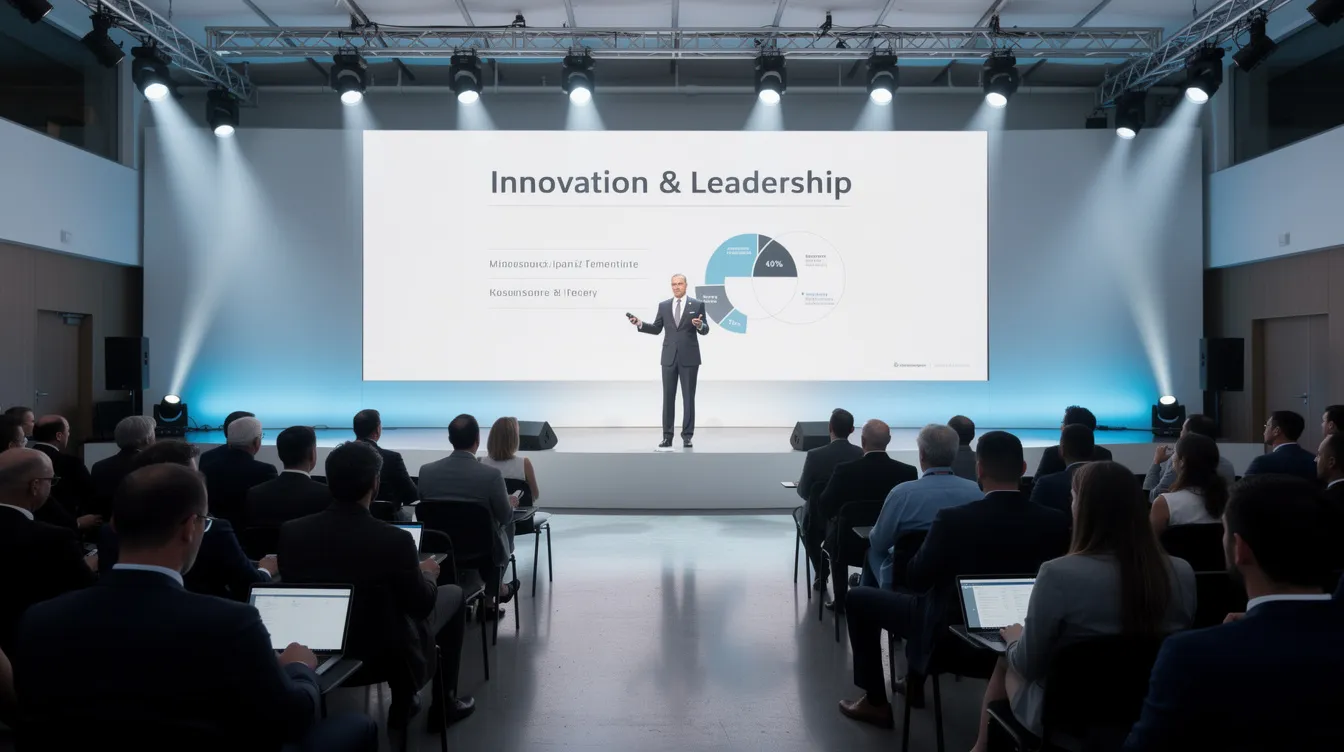
If you have ever booked a keynote speaker for a conference, leadership offsite, or corporate event, you have probably come across the term "speaker rider." It sounds formal, but in practice it is one of the most useful documents in your planning toolkit. A speaker rider outlines technical and hospitality requirements, and it ensures logistical conditions are set for a speaker to perform well. Whether you are running in person events or hybrid sessions, understanding what a rider includes - and how to act on it - will save you time, money, and last-minute stress.
At Great Expectation Speakers and Trainers, we have spent decades helping Australian organisations interpret and implement speaker riders so planners can focus on the bigger picture. This article will quickly answer "what is a speaker rider and what does it typically include?" and then move into the detail for those who want to go deeper.
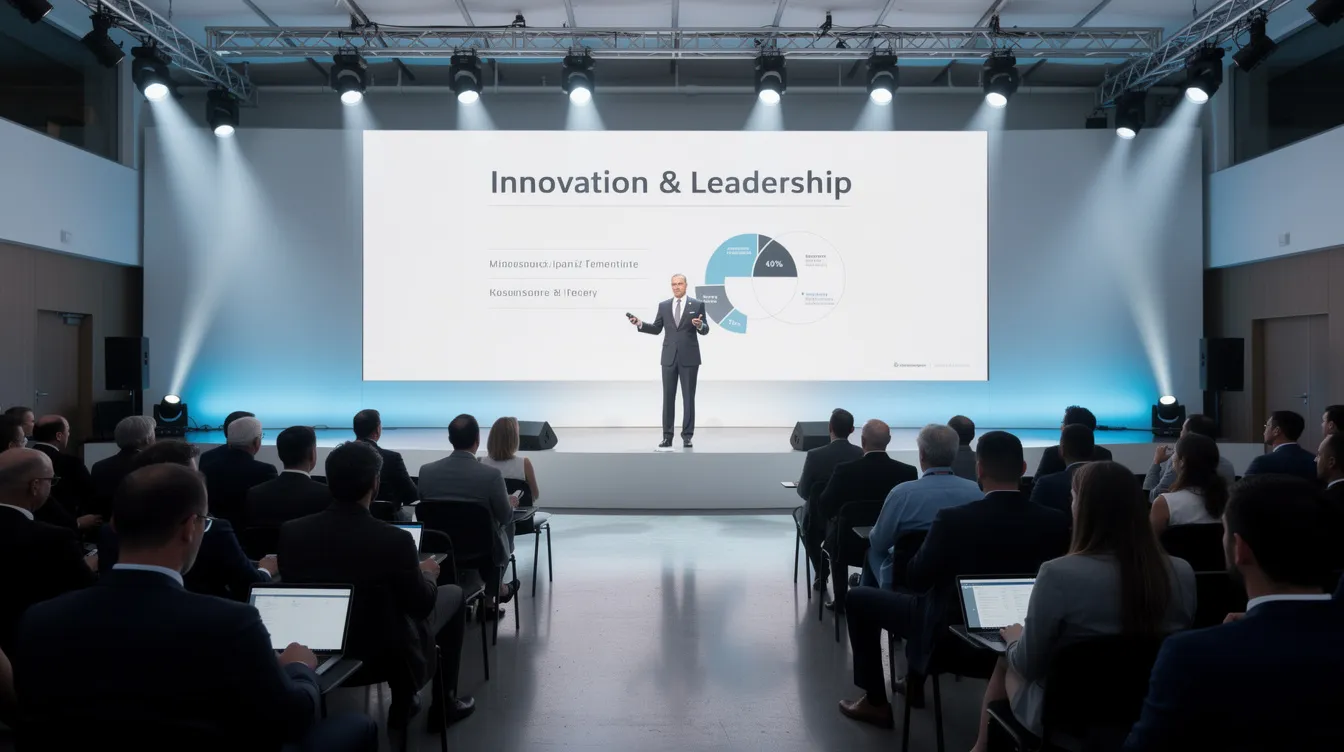
What Is a Speaker Rider? (Clear Answer Up Front)
A speaker rider is an addendum to the speaker contract that lists the practical conditions your event needs to meet for the speaker to deliver their presentation effectively. It sits alongside the main speaking engagement agreement, and together they form the complete understanding between organiser, speaker, and bureau.
Typically, a speaker rider covers technical, logistical, hospitality, and financial needs. Common speaker rider sections include event details, technical requirements, and hospitality. This is not a wish list of "nice-to-haves." Riders are enforceable parts of the speaker agreement, and ignoring rider specifications can lead to breach of contract.
For corporate events, commercial conferences, and association congresses, a well-managed rider reduces risk, avoids last-minute surprises, and protects both parties. At Great Expectation, we routinely review rider details with venues and production partners at the time of booking - not the week before the event begins.
Types of Speaker Riders: Technical vs Hospitality
Most professional speaker riders fall into two broad categories:
-
Technical rider - specifies audio-visual and staging needs such as microphone types, screens, connectivity, and stage layout.
-
Hospitality rider - manages personal comfort and travel arrangements including flights, accommodation, meals, and on-site care.
Some keynote speaker riders combine both into one document. Others use separate attachments. Larger, high-profile speakers, celebrity speakers, and C-suite leaders may also add clauses for security, scheduling limits, and media approvals.
Beyond these two core categories, riders often touch on intellectual property, recording rights, marketing use, and code of conduct expectations. If a rider looks daunting at first glance, Great Expectation can help translate it into a simple event checklist your team can action with confidence.
Typical Technical Requirements in a Speaker Rider
Technical riders specify non-negotiable audio-visual requirements. Technical requirements are usually non-negotiable for speakers because they directly affect how the audience experiences the talk. Technical requirements should be specified in the contract so there is no ambiguity on event day.
Here is what you will commonly see:
-
Microphones: Wireless lapel or headset microphone for keynotes (hands-free movement on stage). Handheld microphones for interactive Q&A, panel sessions, or fireside chats.
-
Screens and projection: 16:9 slide format on a data projector or LED screen. At least one confidence monitor showing slides and a timer so the speaker can present without turning their back to the audience.
-
Laptops and connectivity: Many speakers prefer to run their presentation from their own MacBook Pro or PC, connected via HDMI or USB-C. A hard-wired internet connection is often requested for live polls, product demos, or hybrid audiences.
-
Stage layout and lighting: Lectern or bar table, comfortable chairs for panels, safe and visible stairs or ramp access, and front lighting focused on the speaker without glare on screen.
-
Sound check window: Most riders specify 30 to 60 minutes for a dedicated sound check before the room opens.
-
Live captioning: Increasingly standard for accessibility, covering both in-room and virtual attendees.
Technical requirements often include specific microphone types and slide formats. The technical setup for a 500-person full conference plenary will differ significantly from a small team strategy day. Audience size, room acoustics, and whether other speakers are sharing the same stage all influence the spec.
Stage, Room, and Accessibility Expectations
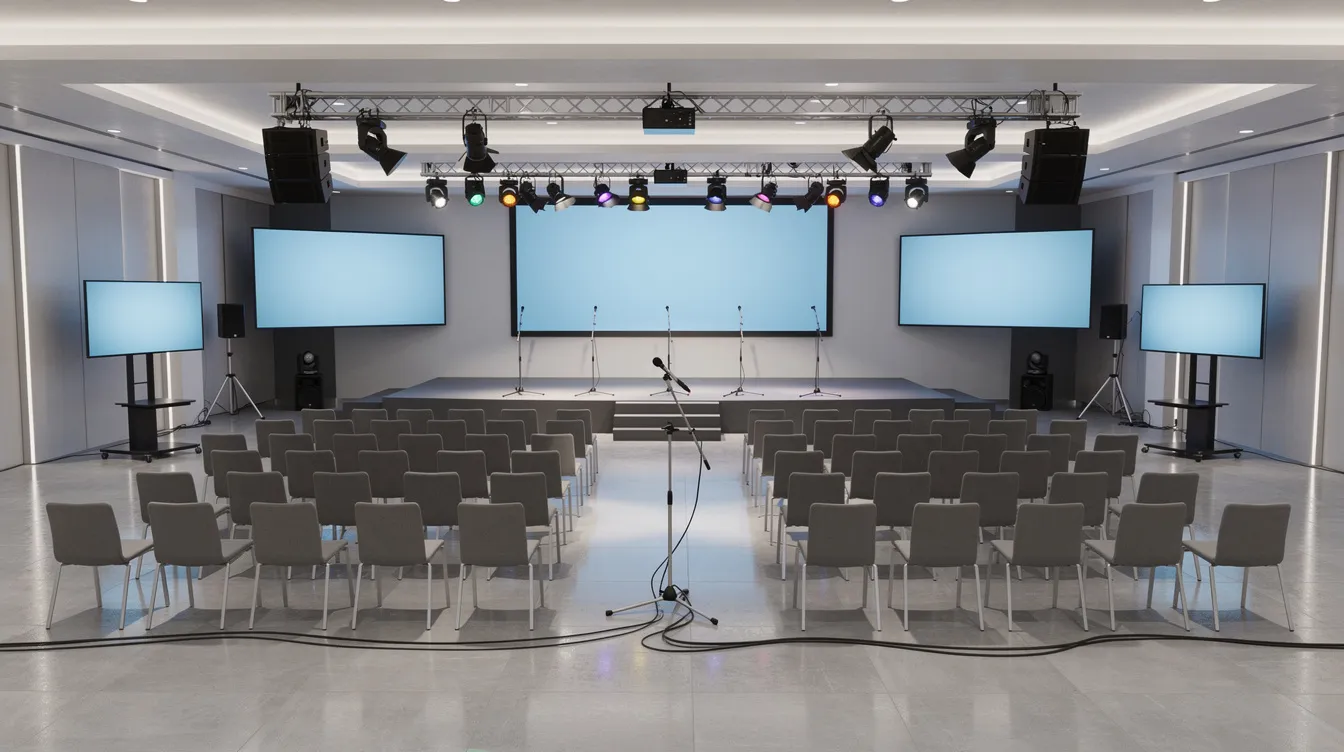
Room configuration and accessibility are now standard sections in a speaker rider. Riders may include clauses for accessibility and diversity in speaker line ups, reflecting the legal and ethical obligations organisers carry.
Common items include:
-
Room layout: Theatre, cabaret, classroom, or u-shape - the rider might specify a format to support interaction or ensure clear sightlines for every person in the room.
-
Step-free stage access: Ramps or lifts for speakers or attendees who require mobility aids, plus reserved accessible seating near the front.
-
Clear signage: Wayfinding that helps all attendees navigate the venue, including those who self identify as having a disability.
-
Inclusive communication: Live captioning or high-quality auto-captions, Auslan interpreters for Australian events, and good sightlines to screens and interpreters from all seating positions.
-
Quiet space: A designated quiet space for attendees or speakers who need a break from sensory stimulation during a full length program.
These points connect directly to the event's code of conduct and duty of care. Physical and psychological safety are now baseline expectations at in person events, not optional extras. Great Expectation works with venues to align stage plans with the speaker's requirements early in the planning cycle, so nothing is retrofitted under pressure.
Hospitality: Travel, Accommodation, and On-Site Care
Hospitality riders are about enabling performance, not indulgence - especially for speakers undertaking long-haul travel to Australia. A speaker contract should include travel and accommodation details so both sides know exactly what is covered.
Travel
-
Economy, premium economy, business, or first class depending on the speaker's profile, flight duration, and whether they are travelling internationally or domestically.
-
Ground transfers: airport to hotel to venue transport. Who books and who pays should be confirmed early. In typical Australian corporate events, organisers cover travel costs as a separate line item from the speaker fee.
-
Travel and accommodation costs must be covered by the event unless otherwise agreed.
Accommodation
-
Speakers often require a 4-star or 5-star hotel accommodation, within reasonable distance of the venue.
-
Quiet rooms, late check-in or early checkout, and single-occupancy bookings are standard.
-
For multi-day programs, some riders request accommodation for the full conference, even if the keynote is on only one day, to support networking and sponsor meetings.
On-site care
-
A green room or private quiet space before and after the presentation.
-
Bottled water on stage, light refreshments backstage, and meals aligned to dietary needs. Dietary needs like gluten-free and vegan options are common requests.
Hospitality riders cover travel and accommodation costs for speakers, but hospitality terms can often be negotiated based on budget. Great Expectation confirms which costs sit inside the speaker fee and which are separate line items so there are no surprises for finance teams. Speaker fees vary based on event type and size, and understanding how to book a motivational speaker through popular Australian event services can help you plan your budget more effectively.

Professional Standards: Code of Conduct, Diversity, and Safety
Many speaker riders now include values-based clauses alongside logistics, and inclusivity riders are becoming standard for corporate events in 2026. A code of conduct is essential for any speaking engagement, and some speakers will only appear at events with a clear, public, and enforced code of conduct describing unacceptable behaviour and defined methods for reporting incidents.
Riders can include clauses for diversity and inclusion in events. Here is what that looks like in practice:
-
Diverse line-ups: At least 30% of speakers should be non-cisgender white men. At least 30% of speakers should represent diverse backgrounds more broadly. Events should avoid all-male or all-white speaker panels - sometimes referred to as "manels."
-
Genuine commitment: Diversity in line-ups reflects event priorities and values. Diversity efforts should not be treated as a checkbox. The idea is to create a speaking opportunity for underrepresented groups and to support new speakers, scholarship programs, and community events that broaden the talent pipeline.
-
Safety: Choice of city or venue, clear emergency procedures, and respect for health guidelines for in person gatherings. Some speakers expect to attend only social events and community events where attendees feel safe regardless of background.
Speakers may require a code of conduct for events before they agree to speak. Great Expectation supports organisers to build programs that are inclusive, safe, and aligned with the values of both clients and speakers. We recommend you proactively share your conduct policies and inclusion commitments with prospective keynote speakers as part of the initial brief - it starts the conversation on the right note.
Intellectual Property, Recording, and Marketing Use
This section addresses ownership of content, how recordings are used, and what is acceptable after the event.
Most professional keynote speakers retain ownership of their intellectual property: slides, stories, frameworks, and any written materials. Organisers are typically granted a limited licence for specific, agreed uses only.
Key clauses to expect:
-
Recording: Whether the session may be recorded at all, how long the organiser can host the recording, and whether it can be shared beyond delegates. Contracts must clarify recording rights for speaker presentations.
-
Commercial restrictions: Some riders restrict commercial use, editing, or re-branding of the content and may prohibit use in paid online courses without a separate licence or written permission.
-
Marketing approvals: Approval is often required before clips are used in external marketing, social media campaigns, or future promotion of the event brand. The speaker may permit photos but not allow redistribution of full length audio or video without consent.
Great Expectation helps clarify these rights up front in the speaker contract so everyone - organisers, speakers, and production teams - understands what can and cannot be done with the material afterwards.
How a Speaker Rider Works in Practice
Here is a simple lifecycle from initial enquiry to event day:
-
Briefing and shortlisting: You share your brief with Great Expectation. We match you with speakers whose expertise and profile fit your audience, budget, and format.
-
Rider review (6–12 months out): Once a speaker is shortlisted, we share the relevant rider. You should review speaker riders 6 to 12 months before the event to give yourself time to address any gaps. We help check it against venue capabilities and budget.
-
Assign internal owners: Nominate who handles AV and technical setup, who manages the hotel and travel, who coordinates catering, and who manages recording permissions. A clear plan with assigned owners means nothing slips through.
-
Pre-event confirmation: Final checks on all rider items two to four weeks out. Sound check windows, confidence monitor placement, and hospitality details are locked in.
-
Event day: The rider becomes a checklist for bump-in, sound check, and speaker hosting. The keynote speaker can focus entirely on their message while your team manages the room.
Treat the rider as a conversation starter rather than a barrier, especially when planning new formats like hybrid sessions.
When You Can't Meet a Rider Requirement
Venue limitations, budget caps, or regional travel options may mean not every request can be met exactly as written. That is normal, and most professional speakers are flexible when communication is proactive, respectful, and solution-focused.
Here is the approach we recommend:
-
Raise issues early with Great Expectation so we can liaise with the speaker or their team about acceptable alternatives.
-
Swap like for like: For example, a different equipment brand that maintains the same functionality, or an equivalent hotel nearby if the preferred property is fully booked.
-
Adjust stage layout due to room pillars or fixed seating, provided sightlines and audio quality are preserved.
-
Never make unilateral changes on the day. Removing live captioning, recording sessions without consent, or downgrading the technical setup without discussion can breach agreements and damage trust.
Some items are non negotiable - particularly accessibility, safety, and IP protections. Others, especially hospitality terms, can often be negotiated based on budget as long as you pay speakers the respect of an honest, early conversation.
Speaker Riders for Virtual and Hybrid Events
Virtual and hybrid events have their own style of rider, even when no in person travel is involved. If you expect at least one speaker to present remotely, plan for these requirements:
-
Platform and connectivity: Preferred platforms (Zoom, Teams, Hopin), minimum internet speeds of 10–20 Mbps uplink for HD video, a backup connection plan, and a platform tech check scheduled well before the event.
-
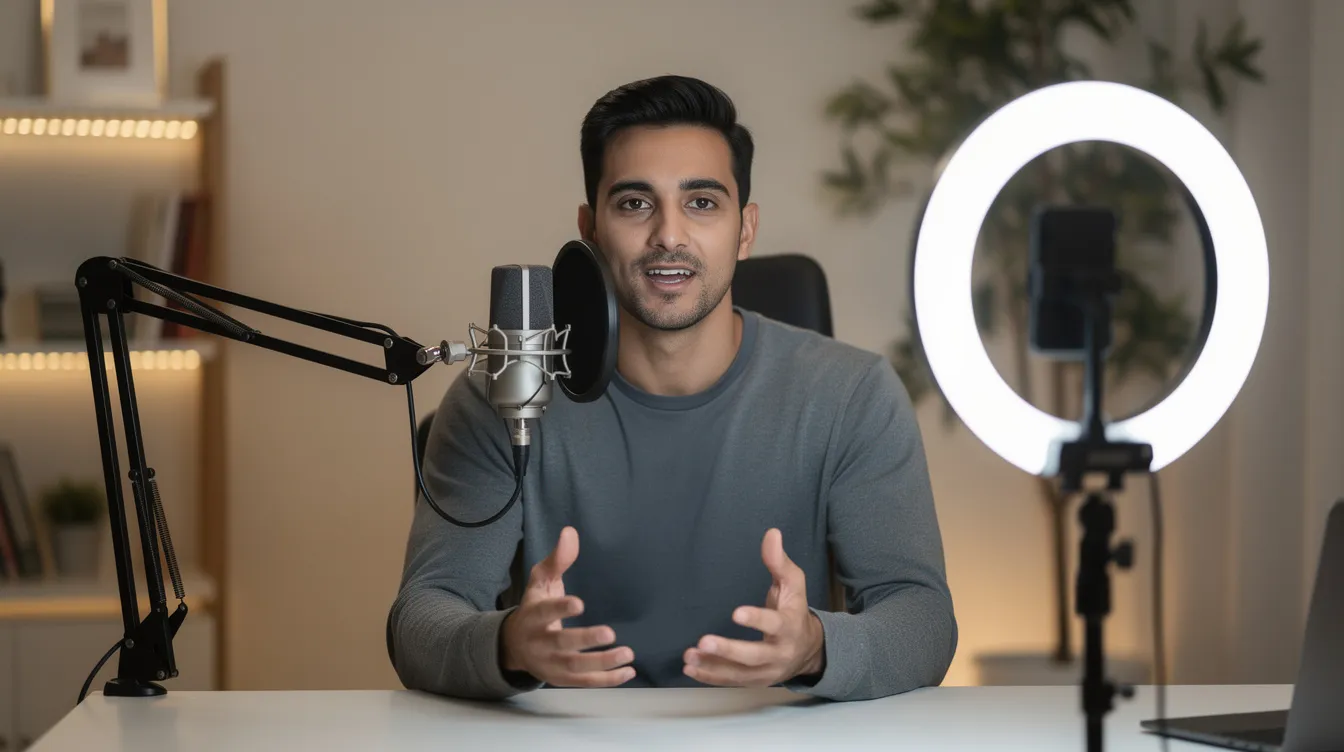
Camera, audio, and lighting: External microphone, front lighting to avoid shadows, neutral or branded background, and clear slide-sharing arrangements.
-
Accessibility online: Live captioning or AI transcription, clear guidance on recording, and privacy considerations for chat and Q&A - particularly important when interested attendees join from multiple time zones.
-
Hybrid complexity: Room audio feeds, camera positions, and ensuring remote attendees receive a true conference-quality experience alongside the in-room audience.
Great Expectation works with AV partners to interpret riders for broadcast-style events, not just traditional ballroom conferences. Whether your future event is fully virtual or a hybrid format, we help ensure every speaker - in the room or on screen - can deliver with impact.
Final Thoughts: Using Speaker Riders to Strengthen Your Event
A speaker rider is a practical blueprint for supporting a keynote speaker and giving your audience the best possible experience. It is not red tape. When riders are respected - technical, hospitality, code of conduct, and intellectual property - events run smoother, and speakers can fully focus on delivering impact to every person in the room.
Riders can include clauses for inclusivity and accessibility that elevate the standard of your entire program. Whether you are planning a full conference, a leadership retreat, or a team offsite, treating the rider as a core planning document will create better outcomes for everyone involved.
Great Expectation Speakers and Trainers has been a long-standing partner to Australian organisations, helping planners navigate speaker riders with confidence and reducing the stress that comes with complex events. If you are planning your next conference, roadshow, or team day, share your brief with us and we will match you with the right keynote speaker and manage the details from rider to run sheet.
As in person and hybrid events continue to evolve, clear speaker riders will remain central to professional, inclusive, and diverse event design. The support you give your speakers behind the scenes is what your audience experiences on the day.