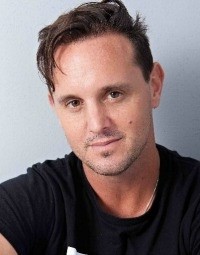
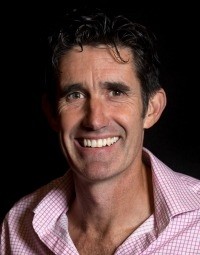
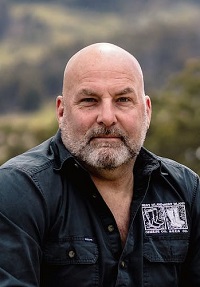
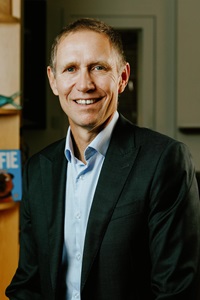
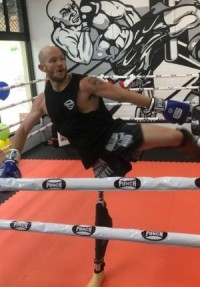
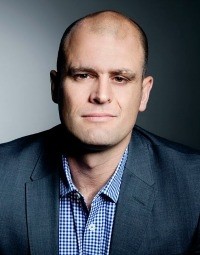
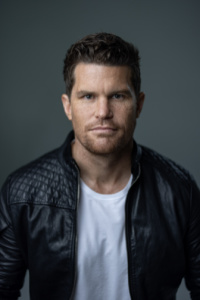
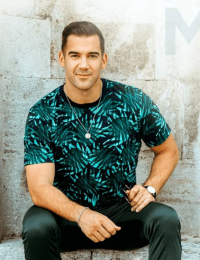
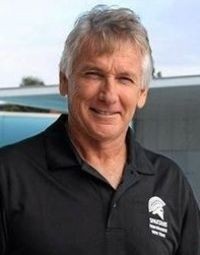
Kyle Vander Kuyp
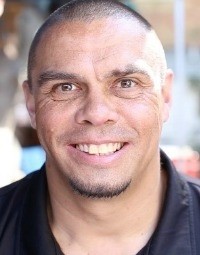
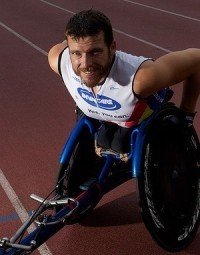
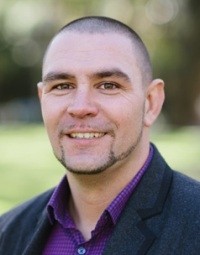
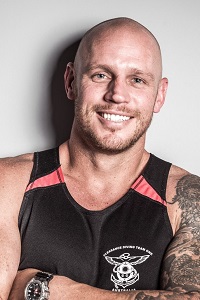
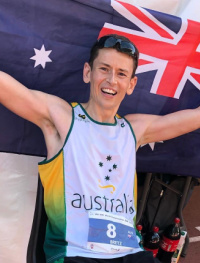
Kyle is an Indigenous Australian athlete and a descendant of the Yuin Clan of south coast NSW and the Woromi Clan of north coast NSW. He holds the Australian record for 110m Hurdles (13.29 sec) and the Australian record for 60m Hurdles indoors (7.73 sec), and has been National Champion 12 times.
Kyle was part of the 4 x 100m relay silver medallist team at the 1994 Commonwealth Games in Victoria, Canada and was a finalist in the 110m hurdles at the 1996 Olympic Games in Atlanta, USA. Kyle represented Australia at four Commonwealth Games, including the Melbourne Games in 2006.
He has received many honours, particularly for his contributions to Aboriginal and Torres Strait Islander sport. In 2003 he won the prestigious Charles Perkins Award.
Kyle has worked for various organisations as an ambassador and mentor for Indigenous youth these include Red Dust Role Models, the Australian Indigenous Mentoring Experience, Athletics Australia, Beyond Blue, BHP, Rio Tinto, Centrelink, Cathy Freeman Foundation and is currently working for AFL Sports Ready. Kyle hopes to be an inspiring and positive role model for Indigenous children across the country.
Kyle also has had the opportunity to join a number of Boards/Committees over the last 10 years these include – Australian Sports Commission, National Centre of Indigenous Excellence, Connecting Homes, Victorian Olympic Council Education Committee, and Grow Hope Foundation.
Kyle has two children, a girl - Kyochre 7yo and a boy Khayle 3yo who keep him and his partner Rheannan very busy and he looks forward to seeing them grow up and set their own dreams for the future.
Kyle has supported existing health promotion programs and assisted school teachers, healthcare workers and community leaders to encourage healthy lifestyles decisions by:
• Highlighting the dangers of drug, alcohol and other substances abuse;
• Setting examples of healthy eating, good nutrition and hydration;
• Encouraging and enhancing pathways for participation in physical activity and sport;
• Teaching and modelling good hygiene practices;
• Addressing specific issues identified as most relevant by an individual community; and
• Partnering with community leaders as well as health and education professionals to launch new programs and initiatives.
Contact Speakers website









.jpg)